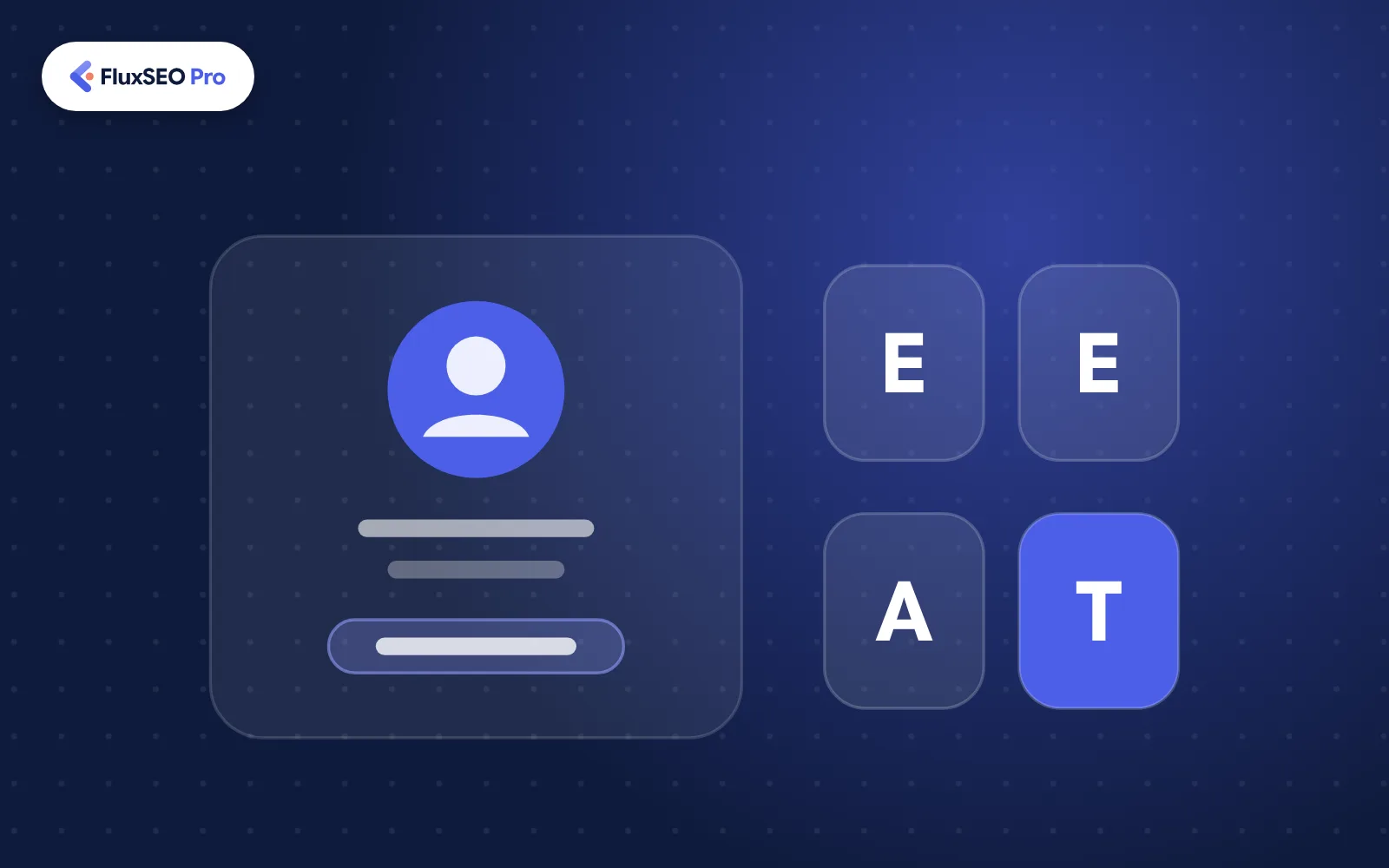
Why do some websites keep ranking while others on the same topic struggle? Keywords and links play a part, but so does how much readers and search engines can trust the content. Google describes that quality with four words: Experience, Expertise, Authoritativeness and Trustworthiness, or E-E-A-T.
01What is E-E-A-T in SEO?#
E-E-A-T is a framework from Google's Search Quality Rater Guidelines, the document human raters use to assess search results. Raters don't change rankings directly, but their feedback helps Google check that its systems surface helpful, reliable content. Google looks for signals that the creator knows the subject, has first-hand experience of it and can be trusted. On topics that affect people's health, finances or safety, which Google calls Your Money or Your Life (YMYL), these signals matter most.
02Experience#
Experience asks whether the creator has done the thing they're writing about. Content based on real use adds detail and honesty that can't be copied from other pages. For example:
- A product review from someone who used it daily for a month
- A tutorial from someone who built a Shopify store from scratch
- A parenting guide from a parent describing real situations
- A restaurant review with the writer's own photos
- A software walkthrough from someone who used the tool to solve a real problem
03Expertise#
Expertise is the knowledge and skill to cover a topic accurately. It can come from qualifications, professional work or years of practice; formal credentials matter most for medical, legal and financial topics. Examples include a nutrition plan by a registered dietitian, a tax guide from a professional tax preparer or a car repair guide from an experienced mechanic.
04Authoritativeness#
Authoritativeness is about reputation: whether others in your field recognise you, your site or your brand as a go-to source. It grows when respected websites cite or link to you, when journalists quote you and when industry bodies reference your work. Examples include a legal blog cited by news outlets, or a health site referenced by hospitals.
05Trustworthiness#
Google calls trust the most important member of the E-E-A-T family. A trustworthy page is accurate, honest and safe. Signals include:
- Named authors with credentials and links to sources
- Reviews that cover both pros and cons
- HTTPS, visible contact details and clear policies, especially on checkout pages
- Old posts updated when information changes
- Original sources credited and no clickbait
- An About page that explains who runs the site
06How Google evaluates E-E-A-T#
There is no E-E-A-T score. Google's ranking systems use a mix of signals that correlate with these qualities, including:
- Who created the content: author names, bios and credentials.
- First-hand experience: original insight that couldn't be written without direct involvement.
- Reputation across the web: what independent sites, reviews and publications say about you.
- Accuracy and transparency: cited sources and corrected, current information.
- Site quality: secure connections, easy navigation and visible contact details.
07Where E-E-A-T matters most#
It applies to every site, but the bar is highest on YMYL topics: healthcare and mental health, finance, insurance and investing, legal services, news, safety information, and major purchases such as real estate.
08How to optimize for E-E-A-T#
| Quality | Practical steps |
|---|---|
| Experience | Share real examples, original photos and screenshots, personal insight, timelines of what you did |
| Expertise | Author bios with real backgrounds, cited sources, in-depth content, regular updates |
| Authority | Earn links and mentions from respected sites, contribute to trusted publications, show media coverage, use author schema |
| Trust | HTTPS, clear contact details, About, privacy and terms pages, honest reviews, no deceptive ads or pop-ups |
09E-E-A-T and AI-generated content#
Google has said it rewards helpful content however it is produced, and that using AI to manipulate rankings breaks its spam policies. AI-assisted content can meet E-E-A-T standards when people stay in charge of it:
- Human oversight: someone with real experience reviews and edits every page.
- Fact-checking: every claim, figure and piece of advice is verified.
- Author information: readers can see who wrote or reviewed the content, especially on sensitive topics.
- Trust signals: transparency, secure browsing and reliable sources stay in place.
10Why E-E-A-T is worth the effort#
Many businesses lose visibility after a core update even when their technical SEO looks fine, because their content doesn't show the experience and expertise they have. Showing who you are, what you've done and why readers can trust you helps you stand out in competitive results, builds loyalty and makes your SEO more resilient to future updates.
FAQFrequently asked questions
Not a single, direct one. It describes qualities Google's ranking systems try to reward, using many signals that correlate with experience, expertise, authority and trust.
Google added the extra E, for Experience, to its rater guidelines in December 2022, recognising the value of content from people with first-hand experience of a topic.
Yes. You don't need to be famous: clear author information, first-hand detail, accurate sources and basic trust signals help any site.