Algorithms change, AI answers appear above the results, and business owners reasonably ask whether SEO still deserves a share of the budget. The short answer is that it depends on how your customers find you. If they search before they buy, SEO is one of the few channels that keeps paying back after the work is done.
01What SEO is worth to a business#
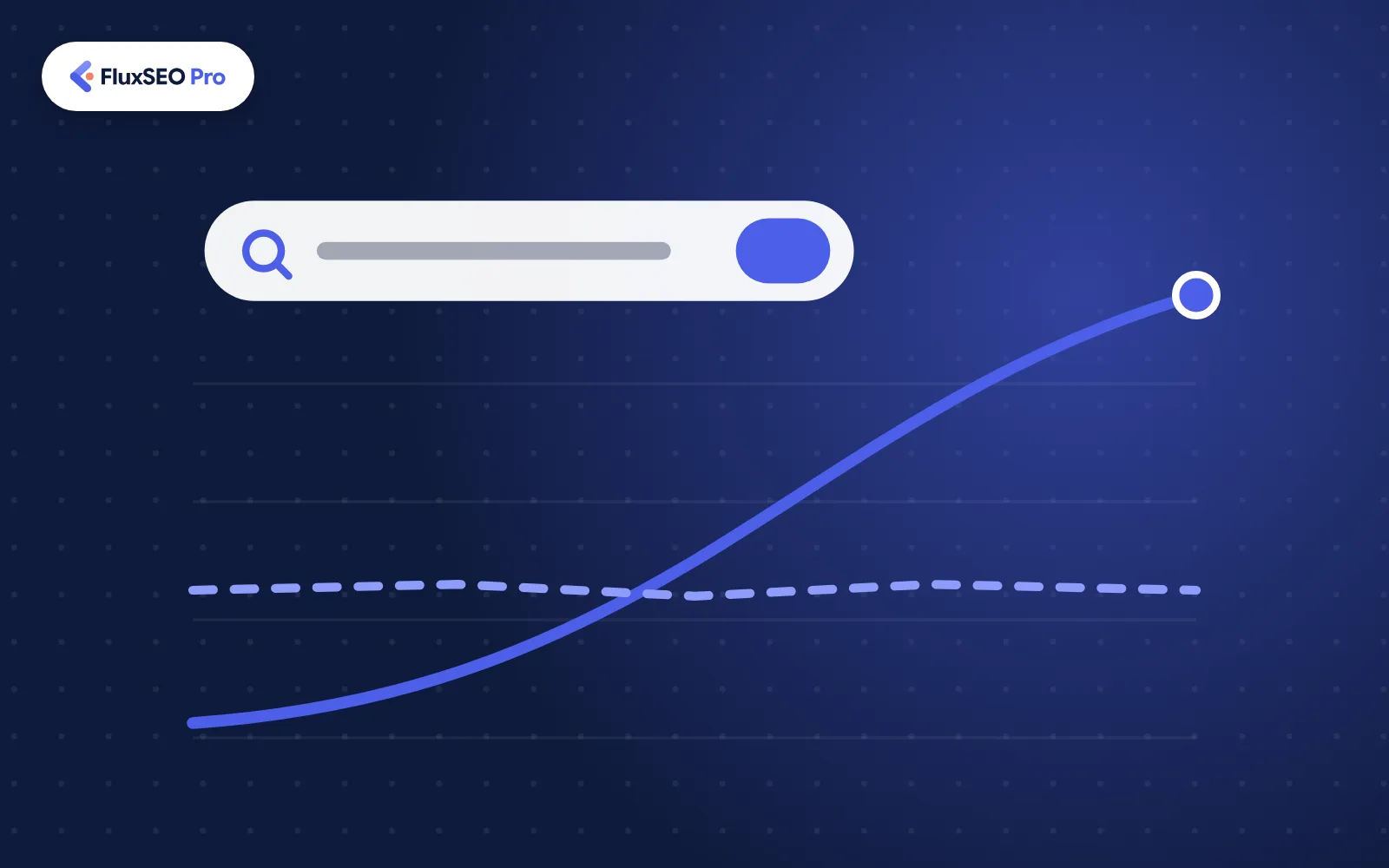
Ranking higher is only the means. The value lies in reaching people at the moment they look for what you sell: targeted traffic, enquiries and sales, plus the credibility of appearing at the top of results. Unlike ads, a page that ranks keeps bringing visitors without a cost per click.
02SEO vs paid advertising#
| SEO | Paid search (PPC) | |
|---|---|---|
| Speed | Months to build | Traffic from day one |
| Cost per click | None | You pay for every click |
| When you stop | Rankings decline gradually | Traffic stops immediately |
| Best for | Long-term, compounding growth | Fast tests and immediate demand |
The two work best together: paid search shows quickly which searches convert, and SEO captures that demand without paying for each visit.
03Is SEO worth it for small businesses?#
Often more than for large ones. Small businesses can't outspend big brands on ads, but they can win local and niche searches. Google has reported that 76% of people who search on their phone for something nearby visit a related business within a day, so a strong local presence turns directly into customers.
- Local visibility: ranking for "near me" and city searches brings in nearby customers.
- Lower ongoing cost: no spend per click once pages rank.
- Lasting authority: consistent rankings build trust with customers over time.
04Is SEO still worth it with AI search?#
Yes, though the work has changed. Google's AI Overviews and assistants such as ChatGPT draw on pages that already rank and that answer questions clearly. Search engines still reward helpful, people-first content, fast mobile-friendly pages and signals of experience and trust. SEO done well now earns both rankings and citations in AI answers.
- Helpful content: Google's systems are designed to reward content written for people.
- E-E-A-T: experience, expertise, authoritativeness and trust signals help pages stand out.
- Page experience: fast, mobile-friendly pages are easier to rank and to convert.
05How long does SEO take to show results?#
SEO is a long-term strategy. An Ahrefs study of two million pages found only 5.7% of new pages reached the top 10 within a year. Established sites move faster: technical and on-page fixes can show movement within weeks, most businesses see meaningful gains in three to six months, and competitive terms take six to twelve months or more.
- Competition: crowded markets take longer.
- Content and links: useful content and earned links speed things up.
- Technical health: sites that are easy to crawl and use rank more reliably.
06When SEO isn't worth it#
- You need leads this week and have no time to wait.
- Almost nobody searches for what you sell.
- You can't commit to at least six months of consistent work.
07The verdict#
For most businesses, SEO is worth it as a long-term investment: it keeps working after the effort, local SEO can transform small businesses, and it stays relevant as search changes. The best place to start is an audit of your site to see where the quickest wins are.
FAQFrequently asked questions
Neither is better in every case. Ads bring traffic immediately but stop when you stop paying; SEO takes longer but keeps working. Many businesses use ads for quick demand and SEO for lower costs over time.
It depends on your competition and goals. Start with an audit to find the highest-impact fixes, then commit to consistent monthly work for at least six months before judging results.
Yes, the basics are learnable: keyword research, clear page titles, helpful content and a Google Business Profile. Technical SEO and link building usually benefit from specialist help.