Search engine optimization, or SEO, is the practice of improving your website's visibility when people search for products, services or information related to your business on search engines like Google and Bing. Done well, it brings qualified visitors to your site without paying for each click.
Think of SEO as making your site easy to find and worth choosing, for search engines and for people. When someone types a question into Google, it looks through its index of web pages for the most relevant, trustworthy answers. SEO helps your pages be among them.
01Why SEO matters for your business#
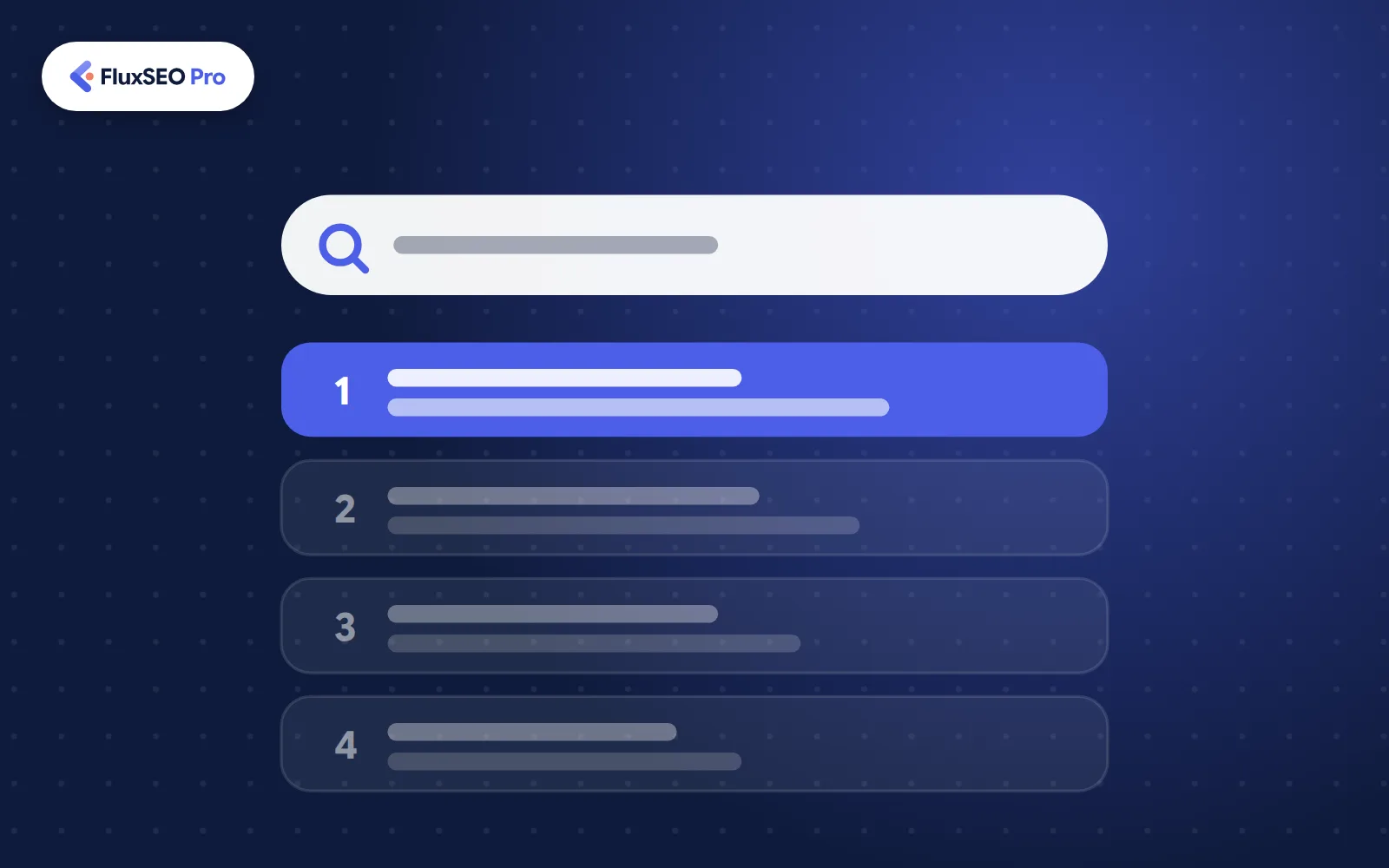
Paid ads stop the moment you stop paying. SEO builds visibility that keeps working. When your pages rank, you reach people who are already looking for what you offer, at the moment they need it. Most clicks go to the first few results, so the businesses on page one capture most of the enquiries and sales.
Ranking also builds credibility. People trust search engines to surface reliable sources, so a site that appears consistently at the top is seen as a leader in its field.
02The core components of SEO#
- Content: pages that answer real questions accurately and helpfully, each with a clear purpose.
- Technical foundation: fast, secure (HTTPS), mobile-friendly pages with a clear structure that search engines can crawl and index.
- Authority: links from reputable websites, which act as votes of confidence in your content.
- User experience: a site where visitors find what they need quickly and easily.
03How search engines work#
- 1
Crawling: automated programs called crawlers follow links across the web to discover pages.
- 2
Indexing: the search engine stores and analyses each page it can access in a huge database, its index.
- 3
Ranking: when someone searches, the engine looks through its index and orders results using many signals, such as relevance to the query, content quality, links from other sites, page experience and freshness.
04How SEO has changed#
Early search engines relied on simple signals such as how often a keyword appeared, which made them easy to manipulate. Today's search engines use machine learning to understand context, intent and quality, and AI answers now summarise results directly. Modern SEO is about being the most useful, trustworthy answer, written clearly enough for both people and AI systems to understand.
05How to get started: practical steps#
- 1
Research keywords: find the phrases your customers use with Google Keyword Planner or another tool. Specific phrases often convert better than broad ones.
- 2
Optimize existing pages: give each page a clear, unique title tag and a meta description that explains what the visitor will find.
- 3
Create content that answers questions: guides and pages built around the problems your customers want solved.
- 4
Fix technical health: check speed with PageSpeed Insights, compress images and make sure the site works well on phones.
- 5
Earn links gradually: publish things worth referencing and reach out to relevant publications. Never buy links.
06The benefits of SEO#
- Lead generation without a cost per click: ranking pages keep bringing visitors.
- High-intent traffic: someone searching "emergency plumber near me" is ready to act.
- Credibility: top rankings signal authority.
- Long-term returns: well-optimized pages hold their positions for months or years.
- Measurable results: rankings, traffic, conversions and revenue can all be tracked.
07SEO best practices#
- Write for people first: helpful content naturally includes the words people search for.
- Give every page a unique purpose: avoid several pages competing for the same search.
- Keep content up to date: review important pages regularly and refresh outdated information.
- Use descriptive URLs: /seo-guide-for-beginners/ tells people and search engines more than /page123.
- Link related pages: descriptive internal links help visitors and search engines understand your site.
- Prioritize mobile: Google mainly uses the mobile version of a site for ranking.
08Common SEO mistakes to avoid#
- Keyword stuffing: repeating a phrase unnaturally makes content unreadable and breaks Google's spam policies.
- Buying links: paid link schemes can lead to manual penalties.
- Ignoring search intent: someone searching "how to tie a tie" wants instructions, not a product page.
- Skipping analytics: without Search Console and analytics you can't see what's working.
- Expecting instant results: SEO usually takes three to six months to show significant gains.
09Advanced strategies for competitive markets#
- Pillar content and topic clusters: in-depth guides linked to supporting pages show expertise across a topic.
- Featured snippets and AI answers: answer specific questions concisely near the top of the page.
- Conversational queries: target the natural questions people ask voice assistants and chatbots.
- Video: videos that complement written content can appear in search results and on YouTube.
10How to measure SEO success#
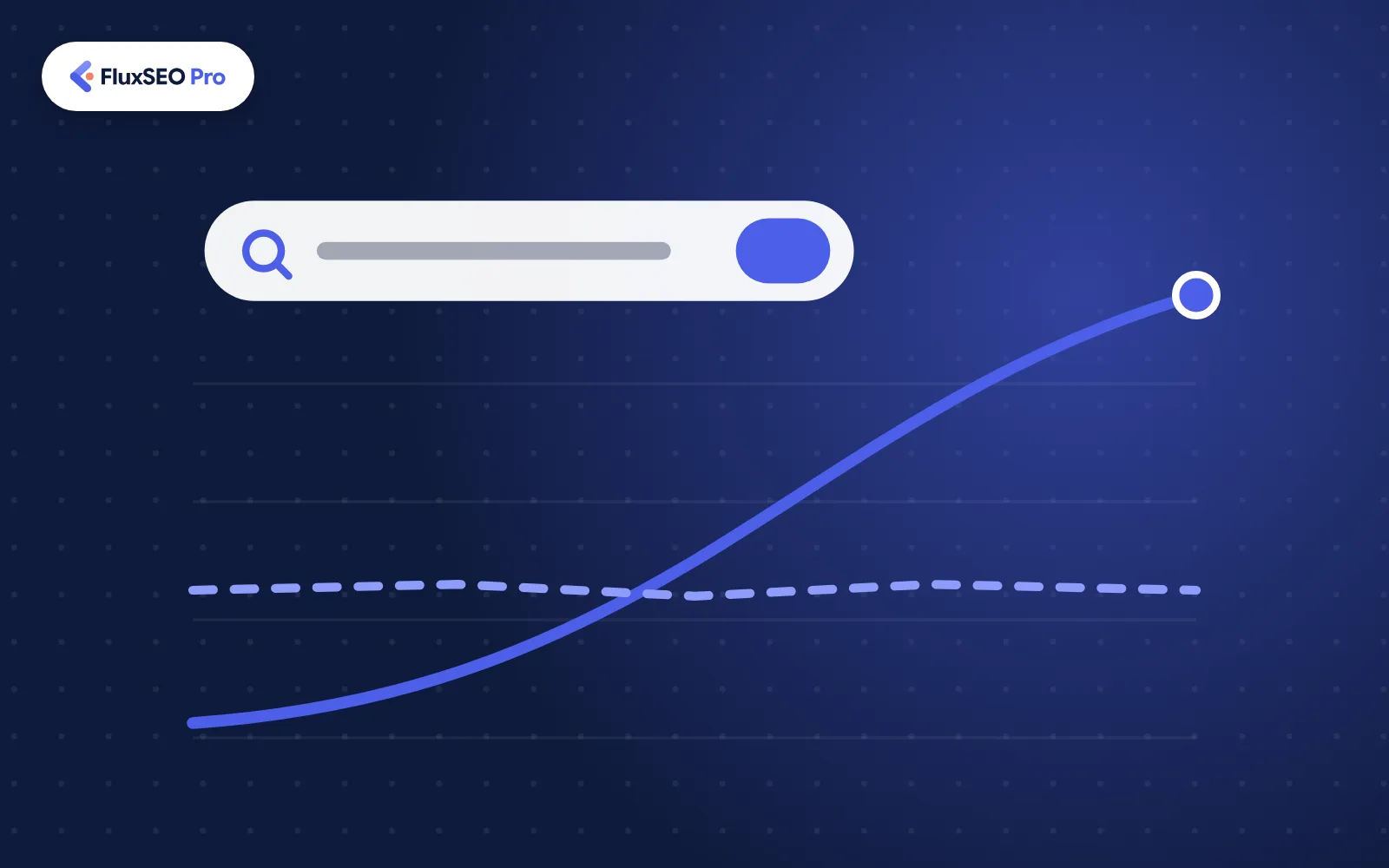
- Organic traffic: look for a steady upward trend month over month.
- Keyword rankings: track your highest-priority searches.
- Conversions: the share of organic visitors who enquire, sign up or buy.
- Engagement: whether visitors find what they came for.
- Backlinks: new links from reputable, relevant sites.
11Getting started today#
You don't need to do everything at once. Start with an audit to find quick wins, such as pages ranking on page two that need small improvements. Publish one strong piece of content regularly rather than many weak ones, then build out technical work and link earning as you go. Tools help, but understanding your audience and creating useful content remain the foundation.
FAQFrequently asked questions
On-page SEO (content and page elements), technical SEO (crawling, indexing, speed and structure), off-page SEO (links and mentions from other sites) and local SEO (visibility for nearby searches and in Google Maps).
Quick fixes can show movement within weeks, most businesses see meaningful gains in three to six months, and competitive searches can take six to twelve months or longer.
Organic clicks are free, but SEO takes time, skills and usually tools, whether you do it yourself or hire help.